Serving Fremont, CA and surrounding areas. (341) 201-0466
OpenSky Fremont Sunrooms provides sunroom contractor services in Castro Valley, CA, including patio-to-sunroom conversions, four season rooms, and custom additions, with expertise in hillside lots and expansive clay soil. We respond to every inquiry within one business day.
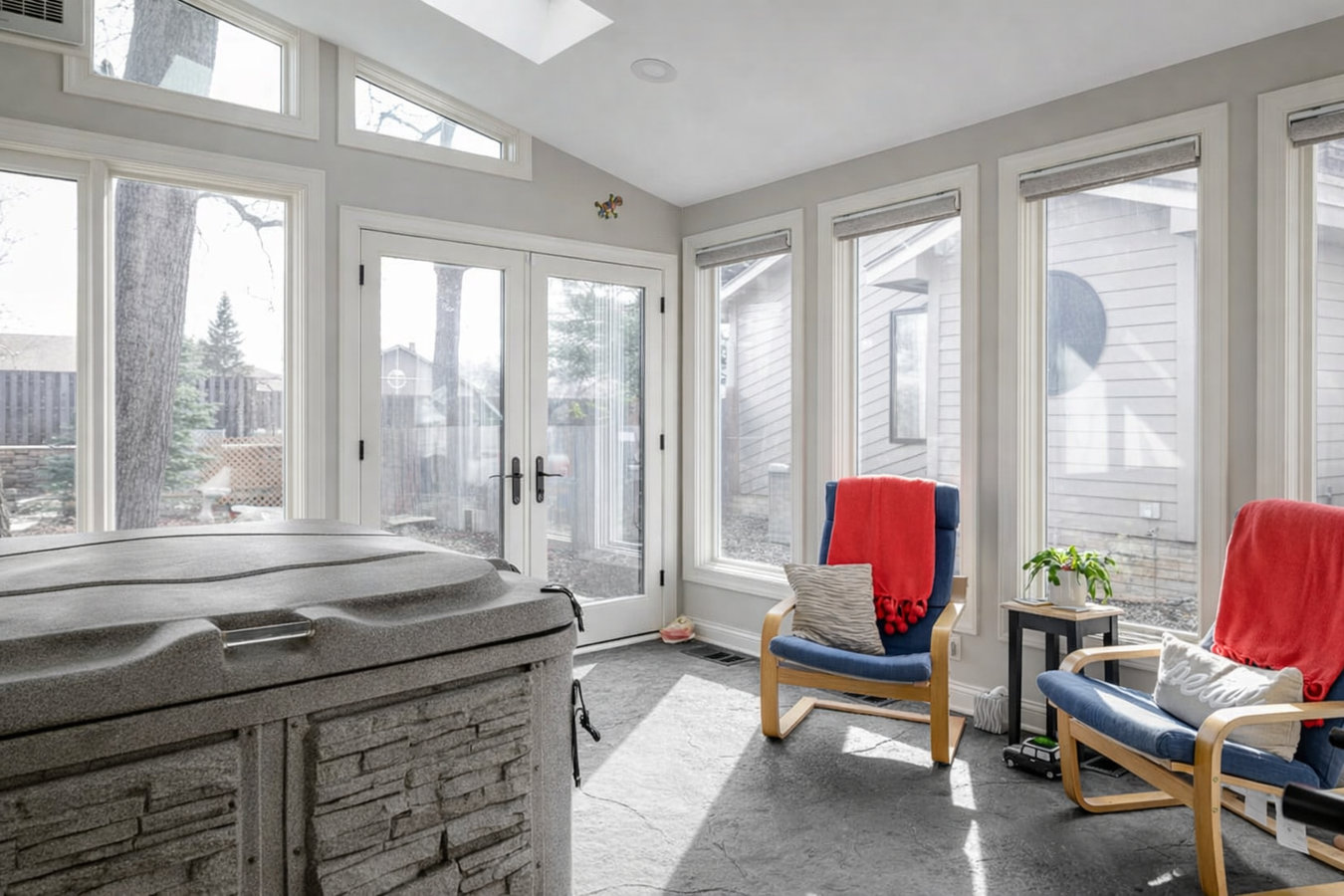
Converting an existing concrete patio into a sunroom saves on foundation costs and works especially well on Castro Valley's ranch-style homes with flat backyard slabs. Patio-to-sunroom conversion lets us focus on framing, roofing, and glass enclosure instead of pouring a new foundation.
Four season sunrooms are ideal for Castro Valley's climate, where winters are wet but mild. Insulated glass and proper heating keep the room comfortable during rainy months without running up utility bills, making it usable year-round.
Sunroom additions add living space to homes that have already used up their backyard footprint. For Castro Valley's hillside lots, this often means designing foundations that work with sloped terrain and drainage challenges.
Custom sunrooms let you design a space that fits your lot and matches your home's architecture. In Castro Valley's hillside neighborhoods, custom designs accommodate slope, retaining walls, and drainage without compromising on quality.
Screen rooms are a cost-effective way to enjoy outdoor living space during Castro Valley's dry season from May through October. They provide ventilation and bug protection without the expense of full glass enclosure.
Solariums bring in maximum natural light and work well for homeowners who want a bright, airy space with views of Castro Valley's hillside surroundings. Glass roofs and walls create a greenhouse-like environment perfect for plants or relaxation.
Most homes in Castro Valley were built between the 1950s and 1970s, and many sit on hillside lots with sloped yards and retaining walls. Adding a sunroom to a hillside property requires understanding how water moves across the lot during winter rains, how retaining walls shift over time, and how to design a foundation that stays stable on clay-rich soil. The fog and marine air that roll in off the Bay also keep outdoor surfaces damp longer than most people expect, which means wood siding, crawl spaces, and roofing materials need extra attention.
Castro Valley's expansive clay soil swells when it rains and shrinks when it dries out, putting stress on foundations, concrete slabs, and retaining walls year after year. A sunroom built on this type of soil needs reinforced footings and proper drainage to prevent movement and cracking. Hillside lots face additional challenges with slope, runoff, and erosion, all of which need to be addressed during the foundation phase to avoid problems down the road.
We have been working on homes in Castro Valley for years, pulling permits through the Alameda County Building Department and building on properties from the valley floor streets near Castro Valley Boulevard all the way up to the hillside neighborhoods with views of Lake Chabot. We know what 1950s ranch homes and split-level designs look like under the stucco, and we know how to handle the drainage challenges that come with sloped lots.
Castro Valley Boulevard runs through the heart of the community, and we have worked on homes on both sides of it - from the flatter valley-floor properties to the steeper hillside streets. Whether your home is near the Castro Valley BART station or tucked into a quieter neighborhood closer to Lake Chabot Regional Park, we have seen the building stock and know what to expect.
We also serve nearby communities like Dublin and San Leandro, where homes face similar hillside and clay soil challenges.
Call or submit a contact form, and we will reply within one business day to schedule an on-site visit. Most appointments can be arranged within the same week.
We visit your home, inspect the lot for slope and drainage, and provide a written estimate. Pricing is based on project scope, foundation needs, and permit requirements - no surprises.
We handle the permit application and start work once approved. Most projects take 6 to 10 weeks, with inspections scheduled at key stages. You do not need to be home during every day of work.
After the final county inspection passes, we walk through the completed sunroom with you, answer any questions, and provide care instructions. The job is not done until you are satisfied.
We know Castro Valley's hillside lots, clay soil, and 1950s-1970s housing stock. Call us or request a free estimate today.
(341) 201-0466Castro Valley is an unincorporated community in the East Bay hills with about 61,000 residents. The homeownership rate is high - around 65% - and most people who move here stay for years. The median home value is well above $800,000, reflecting the area's desirable location between Oakland and the Tri-Valley. Most homes were built between the 1950s and 1970s, with ranch-style and split-level designs dominating the housing stock. The community sits in a valley surrounded by rolling hills, and many properties have sloped yards, retaining walls, and hillside views.
Castro Valley Boulevard runs through the heart of the community and serves as the main commercial street. The Castro Valley BART station provides easy access to Oakland and San Francisco for commuters, and Lake Chabot Regional Park offers hiking and recreation on the eastern edge of town. Fog and marine air roll in regularly, especially in spring and fall, keeping outdoor surfaces damp longer than in drier inland areas. Castro Valley is close to San Leandro to the west and Dublin to the east.
Whether your home is near the BART station or up in the hills, we know Castro Valley's terrain. Call today.