Serving Fremont, CA and surrounding areas. (341) 201-0466
OpenSky Fremont Sunrooms serves Hayward CA with patio enclosures, sunroom additions, and four-season rooms built to seismic standards and designed for both hillside and flatland properties. We respond to inquiries within one business day and have worked on homes throughout Hayward from the hills near Cal State East Bay to the flatland neighborhoods closer to the bay.
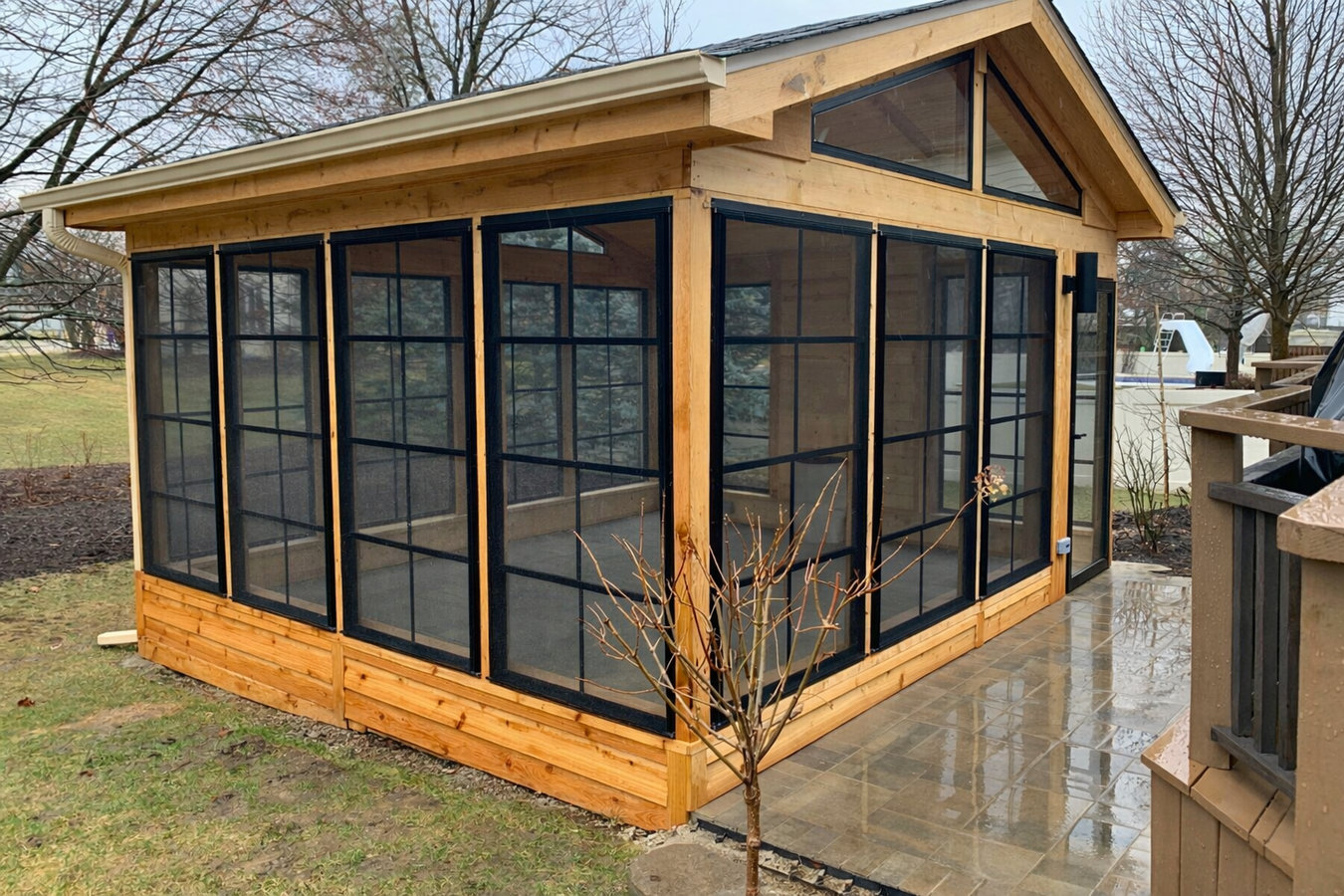
Many Hayward homes have concrete patios or covered outdoor areas that sit empty most of the year because heat, bugs, or seasonal weather makes them uncomfortable to use. A patio enclosure transforms that underused space into a room you can enjoy year-round, all while staying within your property's existing footprint and reducing foundation costs.
Hayward's housing stock includes a lot of homes built between 1940 and 1979 on standard suburban lots. A sunroom addition gives you real square footage that shows on your appraisal and provides extra living space without the cost and disruption of a full interior remodel. It works especially well for older ranch-style homes with aging layouts.
Hayward summers can hit the low 90s regularly, and winters are mild but wet with most rain falling between November and March. A four-season sunroom with proper insulation and HVAC connections stays comfortable year-round, giving you a space that works on the hottest July afternoon and the wettest January morning without running up your energy bills.
Hayward's mild climate makes outdoor living practical most of the year, but bugs and pollen can ruin evenings on the patio. A screen room installation gives you fresh air and natural light without insects, and it costs significantly less to build than a fully enclosed sunroom with glass windows.
Hayward's diverse housing stock ranges from older craftsman-style homes in the flatlands to modern hillside properties near Cal State East Bay. A custom sunroom design ensures your addition matches your home's existing architecture and accounts for unique lot challenges like slopes, retaining walls, or unusual setback requirements.
Homes in the Hayward Hills often sit on sloped lots with terraced yards and retaining walls. Building a sunroom on a hillside property requires careful engineering for drainage, soil stability, and foundation support. We have experience working on hillside properties throughout Hayward and understand the unique challenges these lots present.
Hayward sits directly on the Hayward Fault, one of the most seismically active zones in the entire Bay Area. A major earthquake on this fault is considered overdue by geologists, and every addition to your home must be built to California's strict seismic construction standards. This means the sunroom frame is anchored to your existing house structure using approved seismic connectors, and the foundation is designed to move with your home during ground motion. A contractor who does not bring up earthquake engineering during the estimate is not someone you want building an addition in Hayward.
The city has a sharp divide between flatland and hillside neighborhoods, and each presents different construction challenges. Flatland homes typically sit on clay soil that swells in winter and shrinks in summer, causing seasonal ground movement. Hillside homes deal with sloped lots, drainage management, and retaining walls that add complexity to any foundation work. Most of Hayward's housing stock was built between 1940 and 1979, which means concrete flatwork and foundations are now 50 to 80 years old and showing the effects of decades of soil movement and weather exposure. The city requires building permits for any room addition, and the review process can take four to ten weeks depending on project complexity and current workload.
We pull building permits through the Hayward Building & Planning Department regularly and know the current review timelines for residential additions. Most permit applications take four to ten weeks depending on project complexity. If your property sits on a hillside or has unusual setback constraints, we identify those issues during the initial site visit so you know what to expect before signing a contract.
Hayward is a city of about 160,000 residents with distinct neighborhoods that range from dense flatland blocks near the bay to hillside streets east of town. The flatlands have older single-family homes, duplexes, and small apartment buildings from the 1940s through 1970s, many with aging concrete driveways and stucco exteriors. The Hayward Hills have larger lots, more trees, and homes built from the 1960s through the 1990s that often sit on sloped terrain with retaining walls and terraced yards. We have worked on homes near the Hayward Shoreline, up in the hills near Cal State East Bay, and throughout the neighborhoods in between. We also serve nearby communities including San Leandro and Union City.
When you reach out, we ask a few basic questions about the sunroom you have in mind, including size, location on your property, and whether your lot is flat or sloped. We respond to all inquiries within one business day and schedule an on-site visit at a time that works for you.
We visit your property to measure the space, check your existing foundation or patio slab, and evaluate drainage and soil conditions. If your lot is sloped or has retaining walls, we assess whether additional engineering is needed. You leave this meeting with a detailed written estimate and a clear picture of cost, timeline, and what the permit process will involve.
Once permits are approved, we begin site prep and foundation work. The framing, roofing, and window installation follow, and then we complete interior finishes and any electrical or HVAC connections. The city inspects the work at key stages, and we coordinate those inspections to keep the project on schedule. Actual construction time is typically two to four weeks.
After the city's final inspection, we walk you through the completed sunroom to make sure everything meets your expectations. We address any final touch-ups and provide you with copies of all permits and inspection records for your files. You do not need to be present during construction, but we keep you updated throughout.
We handle permits, seismic engineering, and all inspections for every Hayward project. Call today to schedule a free on-site consultation.
(341) 201-0466Hayward is one of the larger cities in Alameda County, with a population of about 160,000 residents. It sits between Oakland and Fremont along the eastern shore of San Francisco Bay and functions as a working-class and middle-class hub with a diverse mix of homeowners and renters. A large share of the city's housing was built between 1940 and 1979, which means many homes are now 50 to 80 years old with aging concrete flatwork, stucco exteriors, and original foundations. The median home value sits around $700,000 to $750,000, which is high by national standards but on the lower end for the Bay Area.
The city splits into two distinct zones: the flatlands near the bay and the hills to the east. Flatland neighborhoods have dense blocks of older single-family homes, duplexes, and small apartment buildings. The Hayward Hills have larger lots, more trees, and homes built from the 1960s through the 1990s that often sit on sloped terrain with retaining walls. Major landmarks include California State University, East Bay, which sits on a hilltop visible from miles around, and the Hayward Regional Shoreline, a large open space preserve along the bay. The city is also known for the Hayward Fault, one of the most active earthquake faults in California, which runs directly through town. We also serve homeowners in Castro Valley and throughout the surrounding East Bay communities.
We build seismically anchored sunroom additions for hillside and flatland properties throughout Hayward. Get a free estimate today.